Table Of Content

Since then, maritime regulations have been tightened to ensure the safety of passengers and crew. Today, modern cruise ships use an array of safety features, including fire suppression systems, watertight compartments, and lifeboats to protect passengers in an emergency. Cruise ships must also adhere to strict regulations regarding crew training and procedures for evacuating passengers.
Diverse Pricing Structures for Every Traveler
In contrast, modern cruise ships have much more robust lifeboat systems, with enough capacity to evacuate all passengers and crew in the event of an emergency. The Titanic may have been luxurious and had amenities like a gym and swimming pool, but it was a British ocean liner and not a cruise ship. While today’s cruise ships are designed specifically for leisurely trips worldwide, the Titanic’s main purpose was to transport passengers from one point to another. One of the biggest differences between the Titanic and modern cruise ships is the technology that is used. The Titanic was built in 1912, and at that time, there were no radar systems, satellite communication, or other advanced technologies that modern cruise ships have. Additionally, modern cruise ships have much more advanced safety features and emergency procedures in place.
SEARCH
Even smaller modern ships like the Carnival Vista far surpass the Titanic with a maximum passenger capacity of 4,977. Advancements in technology and efficiency have played a significant role in making modern cruise ships more affordable than the exclusive luxury experiences offered by the Titanic. Today’s cruise liners are equipped with state-of-the-art systems that allow for greater fuel efficiency and economies of scale. This translates into lower operational costs, which can be passed on to passengers through more reasonable fares. Gone are the days when passengers had to settle for limited outdoor spaces on ocean liners like the Titanic. Modern cruise ships feature expansive sun decks adorned with multiple pools and hot tubs strategically placed throughout the ship.
Third Class Cabins

Modern ships also benefit from sophisticated weather forecasting and GPS navigation, which help avoid dangerous conditions. Additionally, strict international regulations now require thorough safety checks and drills. All these improvements have made sea travel considerably safer than it was during the time of the Titanic. For those traveling in second class, the experience was more modest but still comfortable, with tickets costing $60, or about $1,834 today. The most economical option was third class, which catered primarily to immigrants and lower-income passengers.
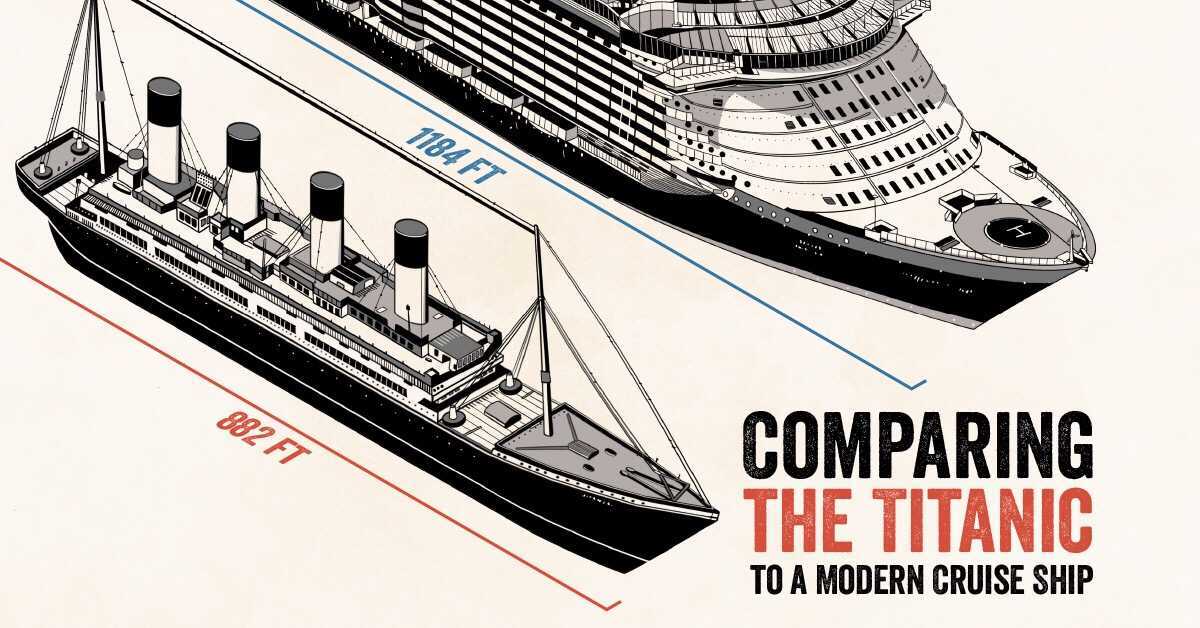
Read on to learn more about how big was the Titanic compared to a cruise ship built today, including differences between the old and new ships. As a comparison, the modern-day Symphony of the Seas cruise ship can hold up to 6,780 passengers – nearly twice as much as the Titanic. The food was simple but abundant, consisting of roast beef, rice soup, biscuits, and fruit. Third-class accommodations included staterooms that accommodated up to ten passengers and were positioned near the ship’s engines at the bottom.
Cruises: How Titanic compares to a modern day cruise ship - ‘washed feet in the sinks’ - Express
Cruises: How Titanic compares to a modern day cruise ship - ‘washed feet in the sinks’.
Posted: Fri, 04 Mar 2022 08:00:00 GMT [source]
Unfortunately, water rapidly engulfs the entire ship, and she starts sinking. Everybody knows about the Titanic incident that shook the entire world in 1912. The ocean liner hit an iceberg in the North Atlantic Ocean; the strike caused huge damage below the water line on the right. Likewise, on Titanic, there are also classes for fares; the 3rd class fare starts from £30 and goes to £870 for 1st class members. So you can imagine that the Titanic was a luxurious and expensive sea ride of her time.
Was the Titanic considered a luxurious cruise ship of her time?
While the Titanic had a grand staircase and a music room, modern cruise ships offer a wide range of entertainment options, from movie theaters and casinos to spas and fitness centers. In terms of entertainment, modern cruise ships offer a wide range of options, from Broadway-style shows to live music, comedy, and magic performances. They also have state-of-the-art facilities for watching movies, playing video games, and more. For example, Symphony of the Seas has a 1,400-seat theater, an AquaTheater with high-diving shows, and a Studio B ice-skating rink. As a lover of history and travel, I’ve always been fascinated by the Titanic and its tragic sinking. With its grandeur and opulence, the Titanic was once the largest and most luxurious ship of its time.
Today’s modern cruise ships are equipped with state-of-the-art safety features and must adhere to strict safety regulations. These ships are designed with multiple redundant systems to ensure that they are as safe as possible. For example, modern cruise ships have advanced navigation systems that use satellite technology to provide real-time information about the ship’s location and weather conditions. Ahead, we’ll explore how the Titanic, a symbol of early 20th-century maritime luxury, compares to the modern cruise ships that sail our oceans today. We’ll examine the differences in size, which is just the starting point.
Third-class lodging on the Titanic was much more minimalistic, with few amenities. A piano was available for passengers to play in the general room in the evenings, which was the favorite gathering place for third-class passengers. Additionally, there was a smoking room exclusively for men, and around three sittings of 470 people were possible in the dining room for third-class passengers. On the Titanic, first-class passengers were treated to the highest level of luxury available at the time.
Modern day cruise ship ships are built much larger than the Titanic; they are equipped with the latest propulsion technology. But the sheer size of today’s mega cruise ships means that extra horsepower doesn’t translate into faster speed. Ocean liners serve the primary purpose of transporting passengers or goods from one destination to another. Unlike cruise ships which are often a destination in and of themselves, ocean liners serve as a means of transportation. Other entertainment-geared spaces included a squash court, smoking room, lounge, reading and writing room and promenade. You would not, however, unlike on today’s cruise ships, find huge theaters or cover bands.
In contrast, modern cruise ship cabins come in various categories, catering to different preferences and budgets. There are significant differences in terms of variety and amenities. On the Titanic, passengers had a range of options, from basic accommodations for third-class passengers to luxurious suites for first-class passengers. Onboard the Titanic, cabins were often smaller and more compact compared to the spacious staterooms found on contemporary vessels. Passengers today enjoy luxurious accommodations with ample space to relax and unwind during their voyage. Get ready to set sail on a journey through time as we compare the legendary Titanic with the extravagant world of modern cruises.



No comments:
Post a Comment